

 Facebook
 X
X
 Pinterest
 Copy Link
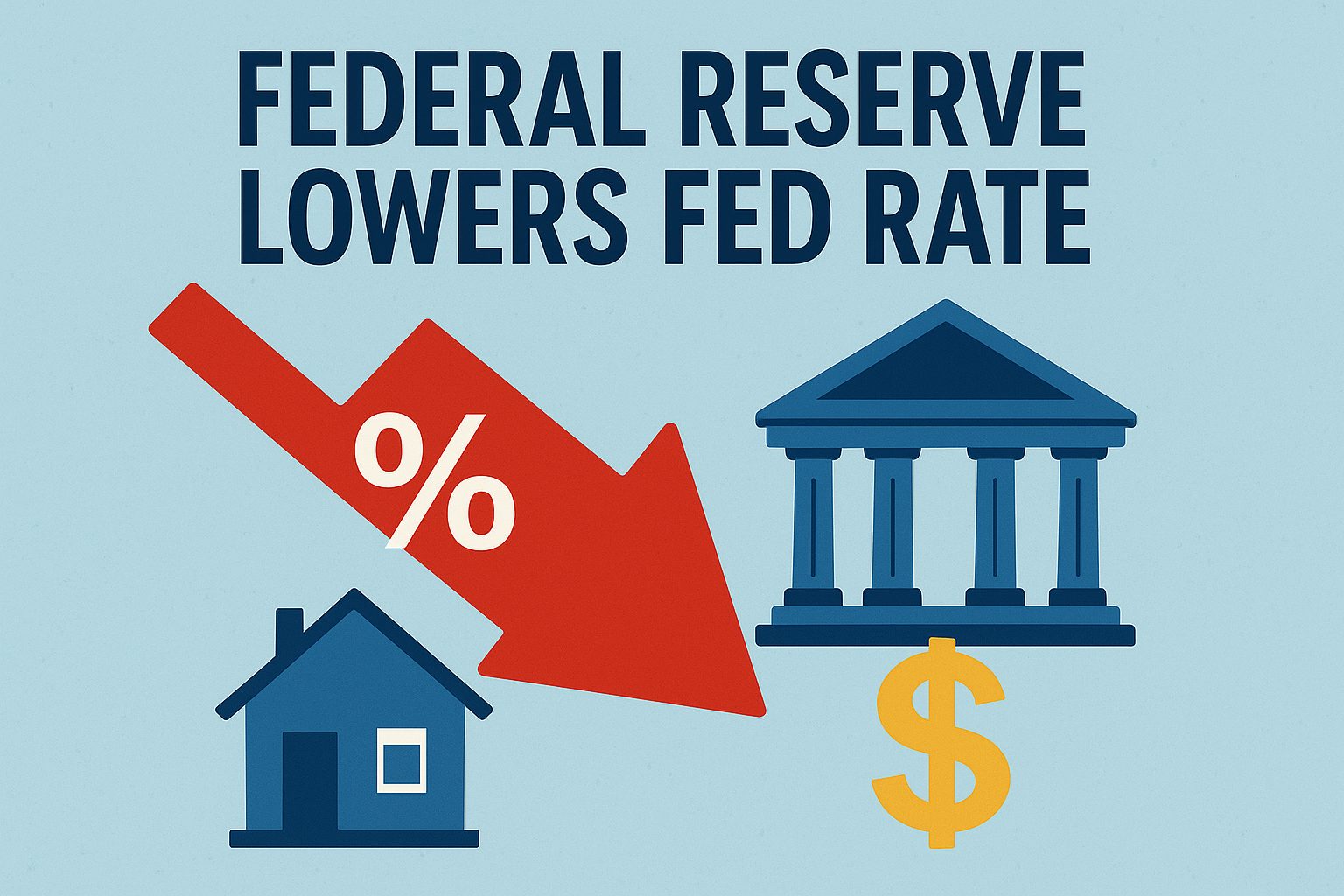
💰 1. Mortgage Rates Usually Drop
-
Lenders respond to a lower fed rate by cutting interest rates on home loans.
-
Even a 0.25% drop in mortgage rates can make a noticeable difference in monthly payments and buyer affordability.
-
This can reignite buyer demand, especially from people who were waiting for rates to fall.
🏡 2. Buyer Activity Increases
-
Lower borrowing costs bring more buyers back into the market — including first-timers and move-up buyers.
-
Expect more showings, multiple offers, and faster movement on listings in attractive areas.
📈 3. Home Prices Can Rise (Slightly)
-
If demand spikes and inventory stays tight (which is still the case in many markets), prices can edge upward again.
-
Sellers regain some leverage — particularly in entry and mid-priced segments.
🧱 4. Refinance Activity Picks Up
-
Homeowners who bought or refinanced at higher rates (say 6.5–7.5%) may refinance to save on payments.
-
This doesn’t directly impact home sales, but it boosts overall market activity and consumer confidence.
🪙 5. Investors Re-Enter
-
Lower rates make financing rental and investment properties more attractive again.
-
Expect renewed interest in Airbnbs, multifamily, and fix-and-flips as return-on-investment calculations improve.
⚠️ 6. The Wild Card — Inflation & Supply
-
If inflation remains sticky, mortgage rates might not fall as much as hoped, even if the Fed cuts rates.
-
And if housing supply doesn’t increase, competition could still frustrate buyers, keeping affordability tough.